Summary: WordPress speed mistakes often go unnoticed, yet they have a direct impact on traffic and leads. This blog explains how slow website performance affects user experience, search visibility, and conversions, and why fixing these issues is essential for sustainable digital growth.
Let’s be honest for a moment. You can spend weeks perfecting your website design, crafting the right message, and running ads to drive visitors but if your WordPress website is slow, most of that effort goes to waste.
People don’t wait anymore. If a page takes more than a few seconds to load, visitors leave. They don’t complain. They don’t inform you. They simply move on to a faster competitor. And every time that happens, you lose traffic and leads you worked hard to earn.
What many businesses don’t realize is that slow performance is rarely caused by one big issue. It’s usually a combination of WordPress speed mistakes that quietly hurt user experience, search rankings, and conversions.
Let’s break down what those mistakes are, why they matter, and how fixing them can directly improve your traffic and leads.
Why WordPress Speed Matters More Than Ever
Website speed is no longer just a technical metric. It’s a business metric.
Google uses speed as a ranking factor. Users judge your brand within seconds. And conversion rates drop sharply when pages load slowly. Even a one-second delay can significantly reduce engagement and trust.
When your site struggles with WordPress speed, the impact shows up everywhere:
- Fewer visitors from search engines
- Higher bounce rates
- Lower form submissions
- Poor mobile experience
- Missed opportunities for traffic and leads
In today’s competitive digital environment, slow websites don’t get second chances.
The Real Cost of WordPress Speed Mistakes
Many businesses assume that slow performance is “normal” for WordPress. That’s not true.
WordPress is powerful, but only when it’s optimized correctly. Most performance issues come from common WordPress speed mistakes that are easy to overlook especially if the site has grown over time.
These mistakes don’t just affect loading time. They affect how users feel about your brand.
A slow site feels outdated.
A lagging page feels untrustworthy.
A frustrating experience kills conversions.
And that’s how traffic and leads silently slip away.
Common WordPress Speed Mistakes Businesses Still Make
One of the biggest issues is relying on default hosting setups. Shared hosting may work in the beginning, but as traffic grows, it struggles to deliver consistent performance. Slow server response time instantly affects WordPress speed, especially during peak hours.
Another common mistake is ignoring caching altogether or using it incorrectly. Without proper caching, WordPress generates pages from scratch for every visitor. This puts unnecessary load on the server and slows everything down especially for repeat users.
Images are another major performance killer. Uploading large, uncompressed images directly from a phone or design tool is extremely common. These heavy files increase page size, slow load times, and hurt both desktop and mobile performance.
Many websites also run too many plugins. Each plugin adds scripts, styles, and database queries. Over time, this creates conflicts and bloated pages that damage WordPress speed and user experience.
All of these issues combine to create a site that looks good but performs poorly and that’s where traffic and leads start dropping.
How Slow WordPress Speed Impacts User Experience
User experience is closely tied to performance.
When someone clicks on your website link, they expect instant access to information. If the site takes too long to load, users become impatient. On mobile devices, this problem is even worse.
Slow WordPress speed leads to:
- Increased bounce rates
- Shorter session durations
- Lower engagement
- Reduced trust in your brand
From a user’s perspective, a slow website feels unreliable. From Google’s perspective, it signals poor experience. Both outcomes reduce your visibility and your ability to generate consistent traffic and leads.
Why WordPress Speed Directly Affects SEO Rankings
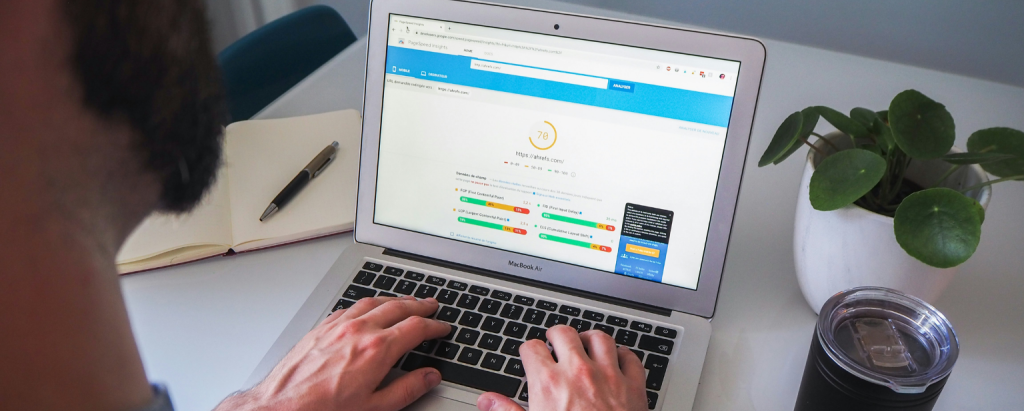
Search engines want to deliver the best possible results. That includes fast, smooth-loading websites.
When your site suffers from WordPress speed issues, search engines notice:
- Longer load times
- Poor Core Web Vitals scores
- Lower mobile usability
As a result, your rankings drop especially for competitive keywords. Even strong content struggles to rank when performance is weak.
That means fewer impressions, fewer clicks, and fewer opportunities to convert visitors into traffic and leads.
Fixing WordPress Speed Mistakes with Smart Optimization
The good news is that most WordPress speed mistakes are fixable without rebuilding your entire website.
One of the most effective improvements is using a Content Delivery Network (CDN). A CDN stores copies of your website on multiple servers around the world, delivering content from the closest location to the user. This dramatically reduces load time and improves global performance.
Caching is another essential optimization. With proper caching, your WordPress site serves pre-loaded versions of pages instead of processing everything in real time. This reduces server load and creates a faster, smoother experience for users.
Image optimization plays a huge role as well. Compressing images, using modern formats, and loading them efficiently can significantly improve WordPress speed without affecting visual quality.
When these optimizations work together, they create a noticeable difference not just in speed, but in how users interact with your website.
How Faster WordPress Speed Improves Traffic and Leads
Once WordPress speed issues are fixed, the results are immediate.
Pages load faster. Users stay longer. Bounce rates drop. Engagement improves. Search engines reward the site with better visibility.
All of this leads to one thing: more traffic and leads.
Visitors are more likely to explore your content, trust your brand, and take action whether that’s filling out a form, booking a call, or making a purchase.
Speed creates confidence. And confidence drives conversions.
WordPress Speed and Digital Growth Go Hand in Hand
In today’s digital-first environment, your website is often the first interaction someone has with your business. If that experience is slow or frustrating, growth becomes difficult.
Optimizing WordPress speed isn’t just about performance scores. It’s about enabling your website to support marketing campaigns, SEO efforts, paid ads, and long-term digital growth.
A fast website amplifies everything else you do online.
Are You Losing Traffic and Leads Without Realizing It?
Many businesses don’t realize there’s a problem until results start dropping. By then, valuable traffic and leads may already be lost.
If your WordPress website feels slow, struggles on mobile, or fails to convert visitors speed could be the hidden issue.
The smartest step is to identify the WordPress speed mistakes holding your site back and fix them before they impact growth further.
Speed Is No Longer Optional
WordPress gives businesses incredible flexibility, but performance must be managed intentionally.
Ignoring WordPress speed mistakes doesn’t just hurt technical metrics it hurts real business outcomes. Faster websites win more attention, earn more trust, and convert more visitors into traffic and leads.
If growth matters to your business, speed should be a priority not an afterthought.