When businesses think about website performance, page speed is usually the first thing that comes to mind. While loading speed is important, it represents only one part of a much larger picture.
A truly high-performing website doesn’t just load quickly it supports business goals, delivers a seamless user experience, drives conversions, and encourages visitors to return.
Pillar 1: Technology – The Foundation of Website Performance
Every successful website begins with a strong technical foundation. The technologies used to build, host, and maintain your website directly impact its reliability, scalability, and overall performance.
Build with Performance in Mind
Choosing the right development framework, CMS, and integrations can significantly affect how your website performs over time.
Every time you:
- Add a new feature
- Install a plugin
- Integrate a third-party tool
- Update your website
you should monitor the impact on performance.
Regular testing helps identify issues before they affect visitors.
Choose the Right Hosting Environment
Your hosting infrastructure plays a major role in website speed and uptime.
Modern websites benefit from:
- Cloud hosting
- Content Delivery Networks (CDNs)
- Server-side caching
- Scalable hosting resources
A reliable hosting environment helps maintain consistent performance even during periods of increased traffic.
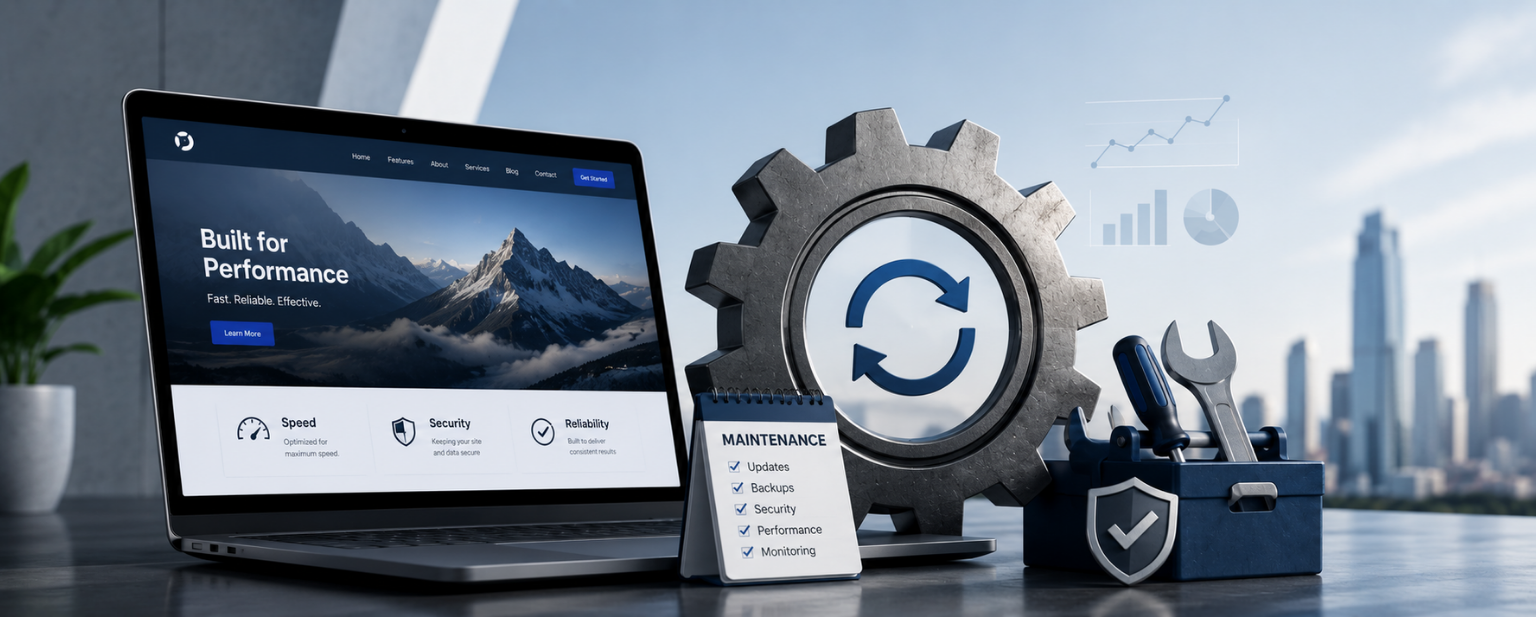
Prioritize Ongoing Maintenance
A website is never truly finished.
Without regular updates and maintenance, performance can gradually decline due to outdated software, security vulnerabilities, and compatibility issues.
Routine maintenance should include:
- Software updates
- Plugin reviews
- Security monitoring
- Performance audits
- Database optimization
Use Data to Guide Decisions
Performance improvements should always be supported by data.
Monitoring tools can help track:
- Page load times
- User behavior
- Bounce rates
- Conversion paths
- Core Web Vitals
The more insights you gather, the easier it becomes to make informed decisions.
Pillar 2: User Experience (UX)
A technically sound website is only valuable if users can navigate it easily.
User experience focuses on making interactions simple, intuitive, and friction-free.
Website Speed Matters
Visitors expect websites to load quickly.
Even a small delay can lead to:
- Higher bounce rates
- Reduced engagement
- Lost opportunities
Fast-loading pages create positive first impressions and encourage users to continue exploring.
Clear Navigation and Content
Visitors shouldn’t have to work hard to find information.
Strong UX includes:
- Logical navigation structures
- Clear calls-to-action
- Easy-to-read content
- Mobile-friendly layouts
The easier it is for users to complete their goals, the better the overall experience.
Focus on Mobile Users
A large percentage of web traffic now comes from smartphones and tablets.
A responsive, mobile-first experience ensures visitors receive the same quality interaction regardless of device.
Pillar 3: Conversion Optimization
Website traffic is valuable, but traffic alone doesn’t generate business results.
A high-performing website should guide visitors toward meaningful actions.
Understand User Behavior
Analyzing visitor behavior helps identify opportunities for improvement.
Questions to ask include:
- Where do users drop off?
- Which pages perform best?
- Which calls-to-action receive the most engagement?
These insights help shape optimization efforts.
Test and Improve Continuously
Successful websites evolve through ongoing testing.
Areas commonly tested include:
- CTA buttons
- Landing pages
- Contact forms
- Headlines
- Page layouts
Small changes can often produce significant improvements in conversion rates.
Align Content with Business Goals
Every page should have a purpose.
Whether the goal is generating leads, increasing sales, or encouraging consultations, content should guide users toward a clear next step.
Pillar 4: Customer Retention
Attracting new visitors is important, but retaining existing customers is often more cost-effective.
Website performance plays a major role in whether users continue engaging with your brand.
Deliver Consistent Experiences
Customers expect reliability.
A website that remains fast, secure, and easy to use helps build trust over time.
Create Long-Term Value
Retention improves when businesses provide:
- Helpful resources
- Personalized experiences
- Consistent communication
- Ongoing support
A positive experience encourages repeat visits and stronger customer relationships.
Encourage Referrals and Advocacy
Satisfied customers often become your best marketers.
Referral programs, customer communities, and loyalty initiatives can help transform happy users into brand advocates.
When website performance supports customer satisfaction, referrals often follow naturally.
Bringing the Four Pillars Together
The most successful websites don’t focus on a single performance metric.
Instead, they combine:
- Strong technology
- Exceptional user experience
- Continuous conversion optimization
- Long-term customer retention
Each pillar supports the others, creating a complete performance strategy that drives measurable business results.
Conclusion
Website performance is about much more than speed.
A truly effective website combines reliable Website Performance , seamless user experiences, conversion-focused design, and customer retention strategies to support business growth.
By strengthening these four pillars and continuously measuring results, businesses can create websites that deliver value not only for users but also for long-term organizational success.
Frequently Asked Questions