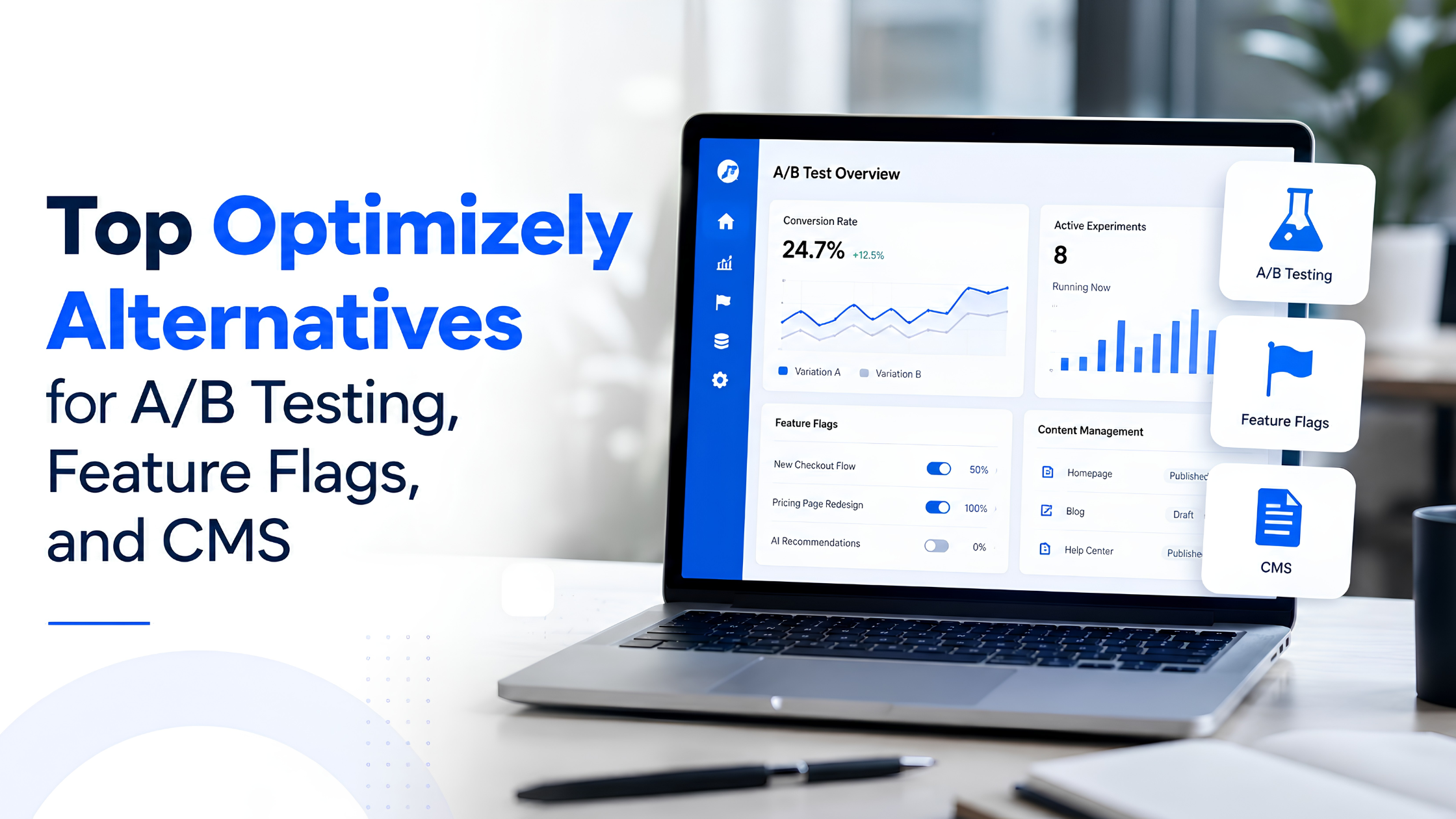
Delivering great digital experiences requires more than launching a website. Businesses today need to continuously experiment with new ideas, release features safely, and manage content efficiently across multiple channels. That’s why platforms like Optimizely have become popular among enterprises looking to improve customer experiences through data-driven decisions.
Optimizely combines A/B testing tools, feature flag management, personalization, and content management capabilities into a single digital experience platform. It enables businesses to test website changes, roll out new features gradually, and optimize customer journeys based on real user behavior.
However, every business has different priorities. Some organizations focus primarily on experimentation, while others need a robust Enterprise CMS or advanced feature management capabilities. Budget, scalability, ease of use, and integration requirements also influence the final decision.
This is why many businesses start exploring Optimizely Alternatives that better match their technical requirements, business goals, and long-term digital strategy.
In this guide, we’ll compare some of the leading Optimizely Alternatives available today, helping you understand their strengths, ideal use cases, and how to choose the right platform for your organization.
Why Businesses Look for Optimizely Alternatives
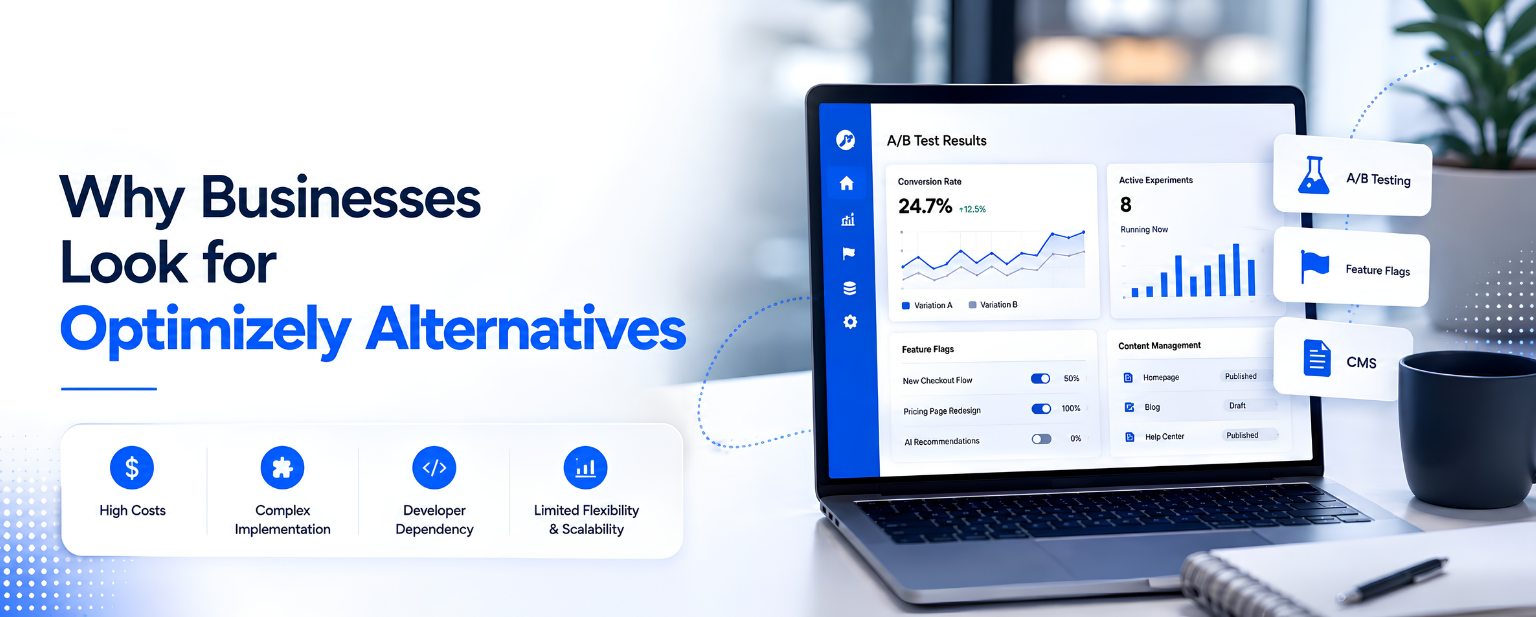
Optimizely is a powerful platform, but it isn’t always the perfect fit for every organization.
As businesses grow, their digital needs evolve. Some require deeper analytics, while others prioritize content management, experimentation, or feature delivery. Instead of investing in capabilities they may never use, many companies evaluate Optimizely Alternatives that offer more specialized solutions.
What to Look for in an Optimizely Alternative
Not every platform offers the same capabilities.
Before selecting one of the available Optimizely Alternatives, businesses should clearly define their priorities.
Here are some important factors to consider.
A/B Testing Capabilities
Experimentation remains one of the primary reasons organizations evaluate these platforms.
Look for solutions that support:
- Website experiments
- Landing page optimization
- Multivariate testing
- Audience segmentation
- Performance reporting
Effective A/B testing tools help businesses make informed decisions based on real customer behavior instead of assumptions.
Feature Flag Management
Feature flags allow development teams to release software more safely.
Rather than deploying updates to every user at once, businesses can gradually roll out new functionality to selected audiences.
Good Feature flag platforms should offer:
- Controlled rollouts
- User segmentation
- Instant rollback options
- Performance monitoring
- Release governance
This reduces deployment risks while improving product stability.
Content Management
Content remains at the center of every digital experience.
If managing websites, blogs, landing pages, or multilingual content is a priority, evaluating each platform’s Enterprise CMS capabilities becomes essential.
Key features to consider include:
- Visual editing
- Workflow management
- Content versioning
- API support
- Multi-language capabilities
- Headless architecture
Many organizations now prefer Headless CMS platforms because they offer greater flexibility across websites, mobile applications, and other digital channels.
Scalability
As businesses grow, technology should grow with them.
The right platform should support:
- Increasing website traffic
- Larger content libraries
- Multiple teams
- Global users
- Expanding digital channels
Scalability ensures long-term value without requiring frequent platform migrations.
Integrations
Modern businesses rarely rely on a single application.
The best Optimizely Alternatives integrate with popular business tools such as:
- CRM platforms
- Analytics solutions
- Marketing automation
- Customer data platforms
- Development tools
- Cloud services
Strong integrations improve collaboration while reducing manual work.
Leading Optimizely Alternatives Worth Considering
Several platforms provide excellent capabilities for experimentation, feature management, and content delivery.
Each one serves different business requirements, making it important to evaluate them based on your specific goals rather than popularity alone.
In the next section, we’ll compare some of the most widely used Optimizely Alternatives, including their strengths, ideal use cases, and the types of organizations they best serve.
Top Optimizely Alternatives Compared
Every business has different goals. Some need advanced A/B testing tools, while others prioritize feature releases, personalization, or content management. The best Optimizely Alternatives solve different challenges, so choosing the right platform depends on your specific use case.
Which Platform Is Right for Your Business?
The best Optimizely Alternatives depend on your business priorities:
- Choose LaunchDarkly or Split if feature flag management is your primary focus.
- Choose VWO if improving conversions and website experimentation is your goal.
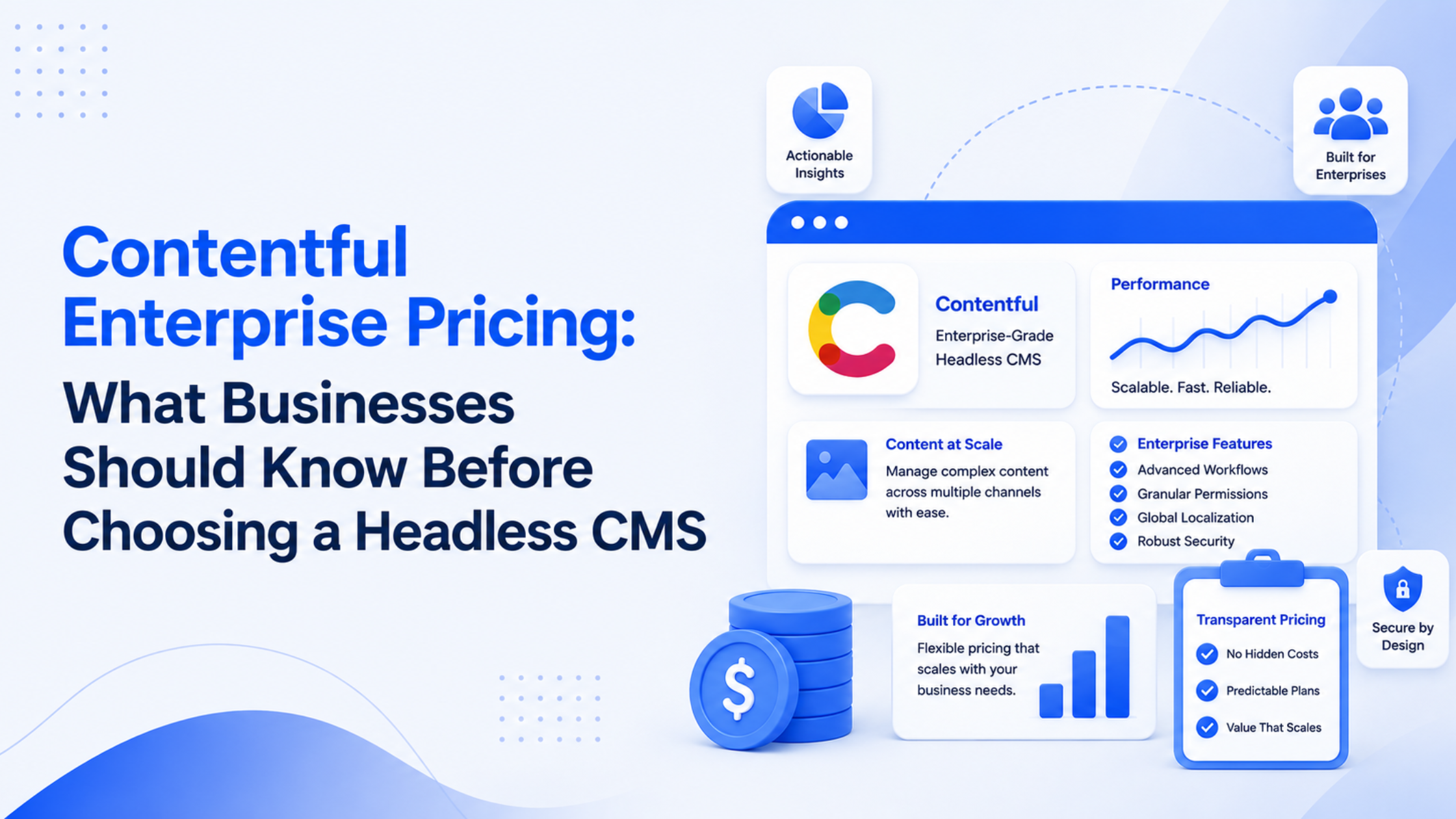
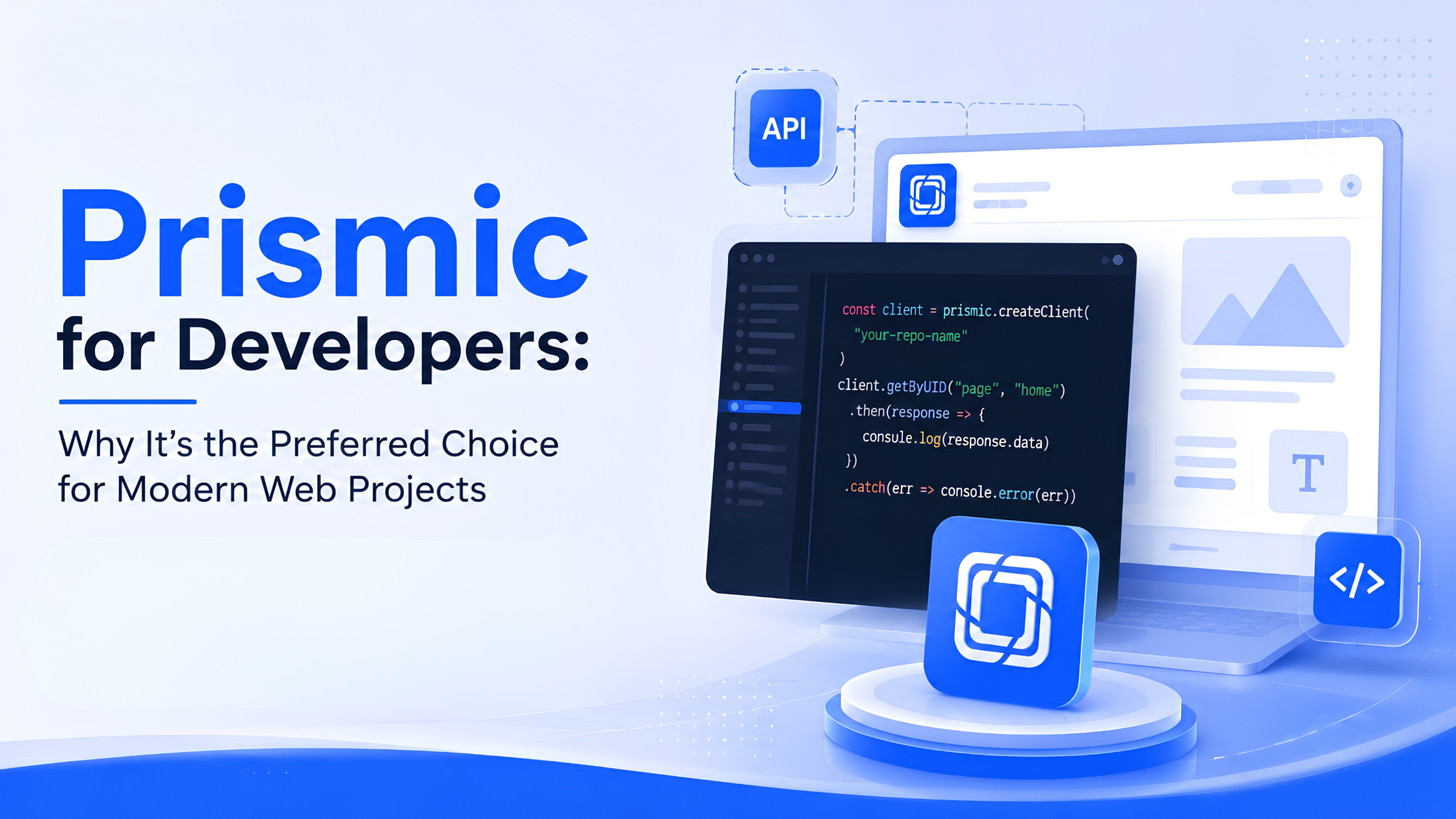
- Choose Contentful or Prismic if content management and omnichannel publishing are your priorities.
- Choose Statsig if you want experimentation combined with product analytics.
- Choose Adobe Experience Manager if your organization requires an enterprise-grade digital experience platform.
- Choose GrowthBook if you prefer an open-source solution with flexibility and customization.
Rather than looking for a direct replacement, evaluate which platform aligns best with your team’s workflow, technical requirements, scalability needs, and long-term digital strategy.
How to Choose the Right Optimizely Alternative
With so many platforms offering experimentation, feature management, and content management capabilities, choosing the right solution can feel overwhelming. The best Optimizely Alternatives aren’t necessarily the ones with the longest feature list they’re the ones that align with your business goals, technical requirements, and future growth plans.
Before making a decision, consider the following factors.
Define Your Primary Business Goal
Start by identifying the problem you’re trying to solve.
Ask yourself:
- Do you want to improve website conversions?
- Are you looking for better feature release management?
- Do you need a scalable Enterprise CMS?
- Are you building a composable digital experience platform?
- Is personalization your top priority?
Having clear objectives helps narrow down the list of Optimizely Alternatives and prevents investing in features your business may never use.
Evaluate Ease of Implementation
A powerful platform is only valuable if your team can implement and manage it efficiently.
Consider factors such as:
- Learning curve
- Documentation quality
- Integration support
- Migration complexity
- Developer experience
- User interface
A platform that fits naturally into your existing workflows can accelerate adoption and reduce implementation time.
Consider Scalability
Your business needs today may be very different a few years from now.
When comparing Optimizely Alternatives, think about whether the platform can support:
- Growing website traffic
- Additional business units
- Multiple websites
- International markets
- Larger development teams
- Future digital channels
Choosing a scalable solution reduces the need for costly migrations as your organization expands.
Assess Integration Capabilities
Modern businesses rely on a connected technology ecosystem rather than standalone applications.
Look for platforms that integrate easily with:
- CRM systems
- Analytics platforms
- Marketing automation tools
- Customer Data Platforms (CDPs)
- Cloud services
- CI/CD pipelines
- Collaboration tools
Strong integrations improve operational efficiency and enable better data sharing across teams.
Balance Features and Cost
More features don’t always translate into more value.
Some organizations only require A/B testing tools, while others need advanced personalization, feature flags, or content management.
Compare:
- Pricing models
- Licensing flexibility
- Included features
- Usage limits
- Support options
- Long-term maintenance costs
Selecting the right platform means finding the best balance between functionality and total cost of ownership.
Common Mistakes to Avoid
When evaluating Optimizely Alternatives, businesses often make decisions based solely on features or brand recognition. Here are some common mistakes to avoid.
Choosing Based Only on Price
While budget is important, selecting the least expensive platform without considering long-term requirements can lead to additional costs later through migrations, integrations, or missing capabilities.
Ignoring Team Requirements
A platform that works well for developers may not meet the needs of marketers, content editors, or product managers.
Involve all key stakeholders during the evaluation process to ensure the platform supports every team that will use it.
Overlooking Scalability
Choosing a solution that only meets today’s needs can create limitations as the business grows.
Always evaluate how well the platform can support future expansion.
Not Testing Before Committing
Whenever possible, explore free trials, product demonstrations, or proof-of-concept implementations.
Hands-on experience often reveals usability and workflow considerations that feature lists alone cannot.
The Future of Experimentation and Digital Experience Platforms
Digital experience platforms continue to evolve rapidly.
Businesses increasingly expect solutions that combine experimentation, analytics, personalization, content management, and AI-powered insights within connected ecosystems.
Some emerging trends include:
AI-Assisted Experimentation
Artificial intelligence is helping businesses automatically identify optimization opportunities, recommend experiments, and analyze user behavior faster than traditional methods.
Smarter Feature Management
Modern Feature flag platforms are becoming more intelligent by combining rollout management with real-time monitoring, analytics, and automated decision-making.
Composable Architectures
Instead of relying on a single all-in-one platform, organizations are adopting composable architectures where best-of-breed solutions work together through APIs.
This approach provides greater flexibility while allowing businesses to adapt their technology stack as requirements evolve.
Headless Content Management
The adoption of Headless CMS platforms continues to grow as businesses publish content across websites, mobile applications, digital kiosks, IoT devices, and other digital touchpoints.
API-first content management enables greater consistency while supporting omnichannel customer experiences.
Conclusion
Choosing the right experimentation and content management platform is a strategic decision that can significantly influence your organization’s digital success. While Optimizely remains a powerful solution, it isn’t the only option available.
Today’s market offers several strong Optimizely Alternatives, each designed to address different business priorities. Whether your focus is A/B testing tools, Feature flag platforms, Enterprise CMS, or a complete Digital experience platform, selecting the right solution depends on understanding your business goals, technical requirements, scalability needs, and budget.
Rather than searching for a one-size-fits-all replacement, businesses should evaluate platforms based on how well they support current workflows while preparing for future growth. By taking a strategic approach, organizations can build a technology stack that delivers better customer experiences, improves operational efficiency, and supports long-term digital transformation.