Your website used to just sit there. Not anymore. For years, a website was a digital brochure. You built it, you launched it, and it stayed exactly the same until someone remembered to update it. It didn’t know who was visiting. It didn’t care whether they found what they needed. It just sat there.
That era is ending. Thanks to AI for web development, your site can now think, adapt, and respond in real time. The result is what people are calling an intelligent website a site that learns from every visitor and quietly gets better at its job.
Here’s the good news: you don’t need to be a data scientist to benefit from this shift. Let’s break down what an intelligent website actually is, why building for the web feels so different now, and how you can get one without the jargon-induced headache.
So, what is an intelligent website, really?
Strip away the buzzwords and it’s simple. An intelligent website is a site that uses AI to understand visitors and change what it shows them automatically.
Think of the difference between a printed map and a GPS. A map shows everyone the same thing. A GPS knows where you are, where you want to go, and reroutes you when there’s traffic. An ordinary website is the map. A smart site is the GPS.
In practice, that means a site that:
- Shows different content to a first-time visitor versus a returning customer
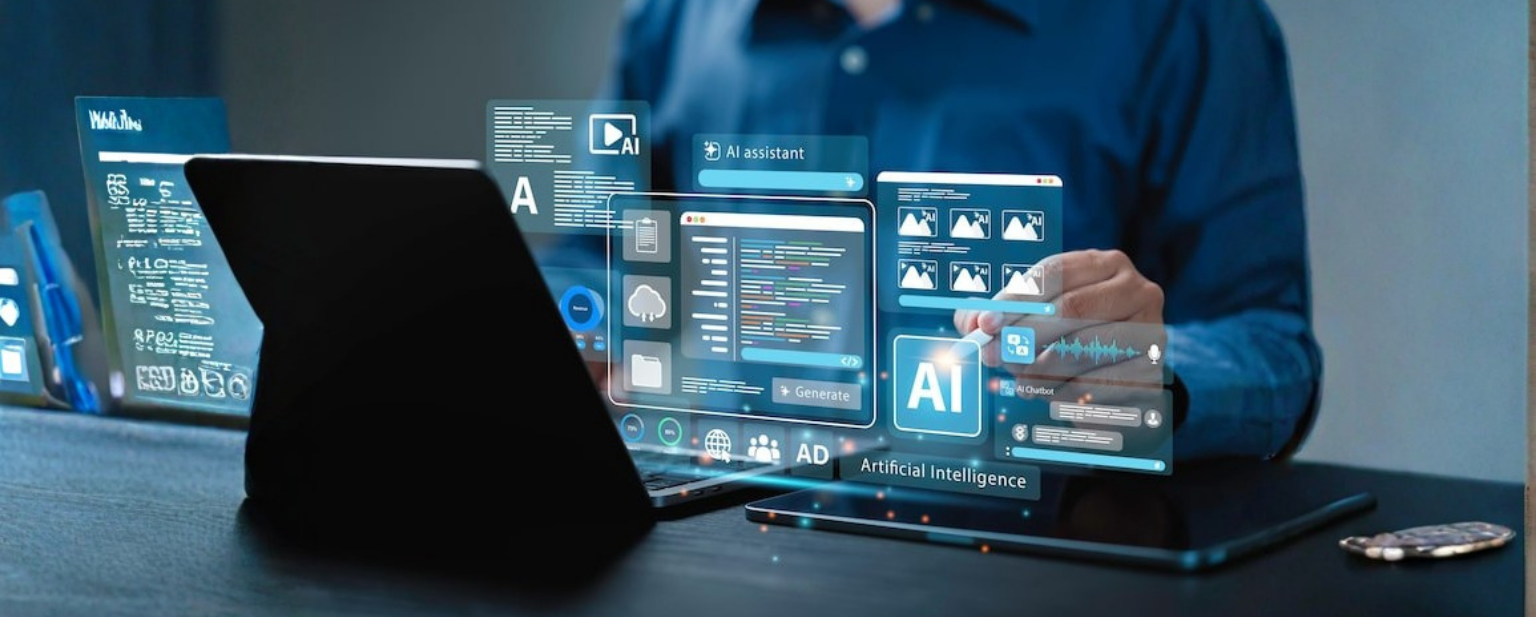
- Answers questions instantly through an AI chat assistant
- Loads in a blink because it predicts what you’ll need next
- Recommends the right product, service, or article before you go looking
None of this requires the visitor to do anything special. The intelligence happens behind the scenes.
Why web development in 2026 feels like a different sport
A few years ago, adding “smart” features to a site meant a big budget and a long timeline. That barrier has collapsed. AI tools are now woven directly into the way teams design, build, and maintain sites which is exactly why web development in 2026 looks so different from even two years ago.
Three things changed at once:
- AI got cheaper and faster. Features that once needed a custom machine-learning team now plug in through ready-made services.
- Users got impatient. People expect instant, personal experiences from every brand, not just the giants.
- Search and discovery changed. AI-powered search and assistants now send traffic to sites that are well-structured and genuinely helpful — another reason a smarter site wins.
Put simply, AI for web development used to be a luxury. Today it’s becoming the baseline.
How AI quietly turns an ordinary site into an intelligent website

Let’s get practical. Here are the everyday ways AI does the heavy lifting.
1. Personalisation that feels human
An intelligent website remembers context. If a returning visitor previously looked at your pricing page, the homepage can greet them with a case study or a “book a demo” nudge instead of the same generic banner everyone else sees. Small touches like this lift conversions because the site feels like it’s paying attention because it is.
2. Content that writes and organises itself (with a human check)
AI can draft product descriptions, suggest headlines, tag blog posts, and surface the most relevant article to each reader. You stay in control and edit for accuracy and voice, but the blank-page problem disappears. It removes busywork so your team can focus on strategy instead of formatting.
3. Speed that keeps people from leaving
Slow sites lose visitor that’s not new. What’s new is that AI can predict which page a user is likely to visit next and quietly preload it, then compress images and tune performance automatically. That predictive speed is a big part of what keeps a modern site fast even as it does more.
4. Built-in helpers that never sleep
A modern AI assistant can answer common questions, qualify leads, and hand off to a human only when needed at 2 a.m. or during a traffic spike. Your visitors get instant answers; your team wakes up to warmer leads.
5. Accessibility and inclusivity by default
AI tools can flag missing alt text, poor colour contrast, and confusing navigation as the site is built. The payoff is double: a friendlier experience for every visitor, and a stronger footing with search engines that reward accessible, well-structured pages.
6. Smarter protection in the background
AI-driven monitoring spots unusual behaviour a sudden flood of traffic, a suspicious login pattern and reacts before it becomes a problem. Security stops being a once-a-year audit and becomes a constant, quiet guardian.
A 60-second self-assessment: is your site there yet?
Grab a coffee and tick the boxes that apply to your current site:
- It shows different content to different visitors
- It answers questions without a human on standby
- It loads in under two seconds on a phone
- It recommends relevant content or products automatically
- It flags accessibility and performance issues on its own
- It learns and improves month over month
0–2 ticks: You’ve got a brochure. There’s huge upside in upgrading.
3–4 ticks: You’re on the path a few smart additions away from the real thing.
5–6 ticks: Impressive. You’re already running an intelligent website; now it’s about refining.
However many you ticked, the gap between where you are today and a fully smart site is smaller than it has ever been.
But will this work for a business like mine?
Almost certainly, yes and you don’t have to do it all at once. The smartest move with web development in 2026 isn’t ripping everything out and starting over. It’s layering intelligence onto what you already have, one win at a time.
Start where the pain is biggest. Losing leads after hours? Add an AI assistant first. Visitors bouncing on mobile? Fix predictive speed and performance. Struggling to keep content fresh? Let AI handle drafts and tagging while your team edits. Each step compounds, and before long you’ve upgraded your site without ever facing a scary “big bang” relaunch.
Picture a small online store that switched on three simple things: an after-hours AI assistant, predictive page loading, and personalized product suggestions. No redesign, no months of downtime. Within weeks, late-night enquiries were answered automatically, pages felt instant on mobile, and shoppers were seeing items they actually wanted. That’s the quiet compounding effect of doing this the smart way small, targeted upgrades that stack into a noticeably better experience.
The mistake we see most often is treating AI as a gimmick — a chatbot bolted on for show. Real value comes from using it where it removes friction for the visitor. That’s the difference between a site that just looks clever and one that genuinely earns its keep.
Conlcusion
This is exactly the kind of work we love. Our team blends web development with AI and machine learning to build sites that don’t just look good. Whether you’re starting fresh or upgrading step by step, we’ll help you decide which AI features actually move the needle for your audience, and skip the ones that are just noise.
We’re a 100% distributed team that has shipped digital products across e-commerce, fintech, healthcare, and education so the advice you get is grounded in what really works, not what’s trending this week.
Websites stopped being static years ago; now they’re becoming genuinely smart. AI has turned personalisation, speed, content, and security from expensive extras into everyday expectations. The brands that win won’t be the ones with the flashiest design they’ll be the ones running an intelligent website that quietly works harder for every single visitor.
You don’t need to overhaul everything tomorrow. You just need to start. Pick one friction point, fix it with the right tool, and let the momentum build.
Frequently Asked Questions