Whether you are a business owner or a tech enthusiast, keeping your site ahead of the curve in 2026 requires more than just a standard setup. As the digital landscape shifts toward hyper-automation and intelligent user experiences, the right WordPress Plugins are the difference between a static site and a high-performing digital asset.
In this guide, we dive into the top 7 WordPress Plugins that are defining 2026, helping you optimize for speed, security, and the cutting-edge of AI integration.
Evolution of WordPress Plugins in 2026
The year 2026 has brought a paradigm shift in how we approach web architecture. We are no longer just “building websites”; we are developing intelligent ecosystems. Standard software development services have shifted their focus from manual coding to managing AI-integrated workflows.
For many organizations, the journey begins with AI consulting to determine which automated tools will provide the highest ROI. Within this strategic framework, WordPress Plugins serve as the functional bridge between raw data and a seamless user interface.
1. Rank Math AI: The Intelligent SEO Strategist
SEO in 2026 is no longer about keyword stuffing; it’s about semantic relevance and user intent. Rank Math AI has solidified its spot as the premier SEO tool among all WordPress Plugins.
- Why it’s essential: It uses advanced neural networks to analyze search trends in real-time, suggesting content clusters rather than just single keywords.
- Key Feature: The “Content AI” module provides live scoring based on how well your post answers specific user queries found in 2026 search snippets.
- Best For: Content creators who need their WordPress development services to deliver organic growth without the guesswork.
2. Elementor AI: Generative Design at Your Fingertips
Elementor has evolved from a simple drag-and-drop builder into a comprehensive generative design suite. In 2026, it is the gold standard for rapid prototyping within software development services.
- Generative Layouts: Describe a section in plain English, and the AI builds the wireframe, inserts placeholder images, and writes the initial copy.
- Custom Code: If the native settings aren’t enough, Elementor AI can generate custom CSS or snippets, reducing the need for constant manual Plugins tweaks.
- Performance: The 2026 version is highly optimized, ensuring that AI-generated elements do not bloat your site’s loading speed.
3. Bit Flows: The Native AI Agent for Automation
If you want your website to “think” and “act,” Bit Flows is the automation engine you need. It has largely replaced external tools like Zapier for many WordPress development services.
- Autonomous Workflows: It allows you to create triggers such as a new lead sign-up that prompt an AI agent to research the lead’s company and draft a personalized email response directly in your CRM.
- Integration: It connects seamlessly with over 300 platforms, making it a favorite for AI consulting firms looking to streamline client operations.
4. Wordfence Intelligence: AI-Powered Security
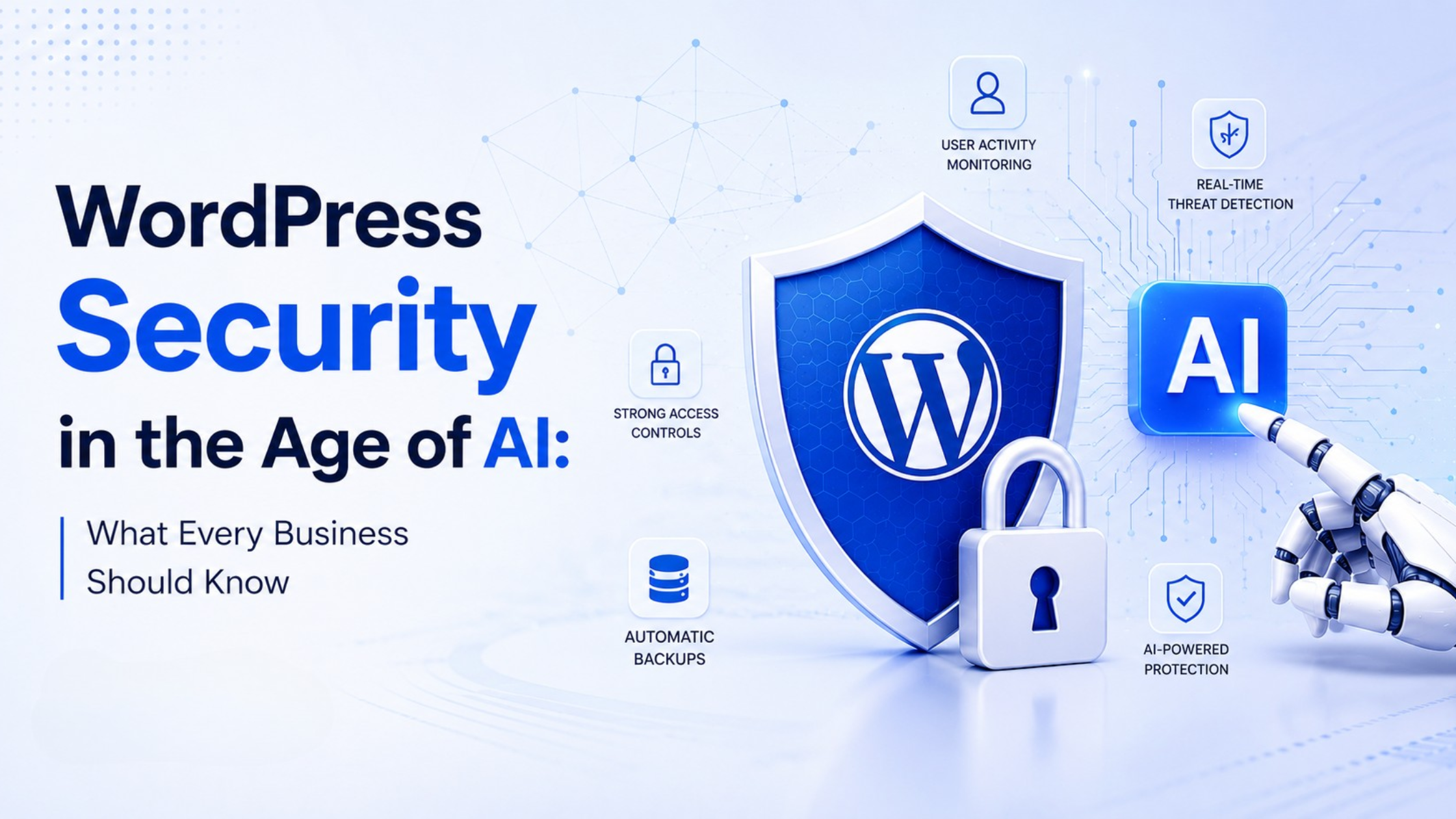
Security threats in 2026 are faster and more sophisticated. Wordfence has countered this with an AI-driven firewall that predicts attacks before they happen.
- Predictive Blocking: Instead of waiting for a known “bad IP,” Wordfence uses machine learning to identify behavioral patterns typical of 2026 botnets.
- Malware Repair: It doesn’t just find the virus; it uses its intelligent engine to clean the infected code without breaking your site’s core functionality.
- Compliance: Essential for businesses utilizing high-end software development services that must adhere to strict global data privacy laws.
5. WP Rocket 2026: The Speed Standard
In an era where “Core Web Vitals” are the ultimate metric for success, WP Rocket remains the king of performance WordPress Plugins.
- Automatic Optimization: It handles lazy loading, GZIP compression, and database cleanup with zero configuration required.
- AI Pre-fetching: One of its newest features includes AI that predicts which page a user will click next, pre-loading it in the background for a “zero-latency” experience.
- Crucial for UX: No matter how good your WordPress development services are, a slow site will kill your conversion rate.
6. Amelia AI: The Future of Booking and Scheduling
For service-based businesses, Amelia has revolutionized the appointment experience by integrating conversational AI into the booking flow.
- Smart Scheduling: Instead of a static calendar, users can chat with an AI assistant to find the best time, book a service, and pay all within a natural conversation.
- Revenue Optimization: The plugin suggests “add-ons” or “bundles” based on the user’s history, acting as a virtual sales agent.
- Developer Friendly: It is highly customizable, fitting perfectly into the bespoke software development services model.
7. MonsterInsights AI: Predictive Analytics
Data is useless if you don’t know what to do with it. MonsterInsights has moved beyond “reporting” and into “advising.”
- Insight Engine: It tells you exactly why your traffic dropped and suggests which Plugins might be causing a conflict or where your SEO is failing.
- ROI Tracking: For those invested in AI consulting, MonsterInsights provides a clear breakdown of how your automated workflows are impacting your bottom line.
Choosing the Right Stack for Your Business
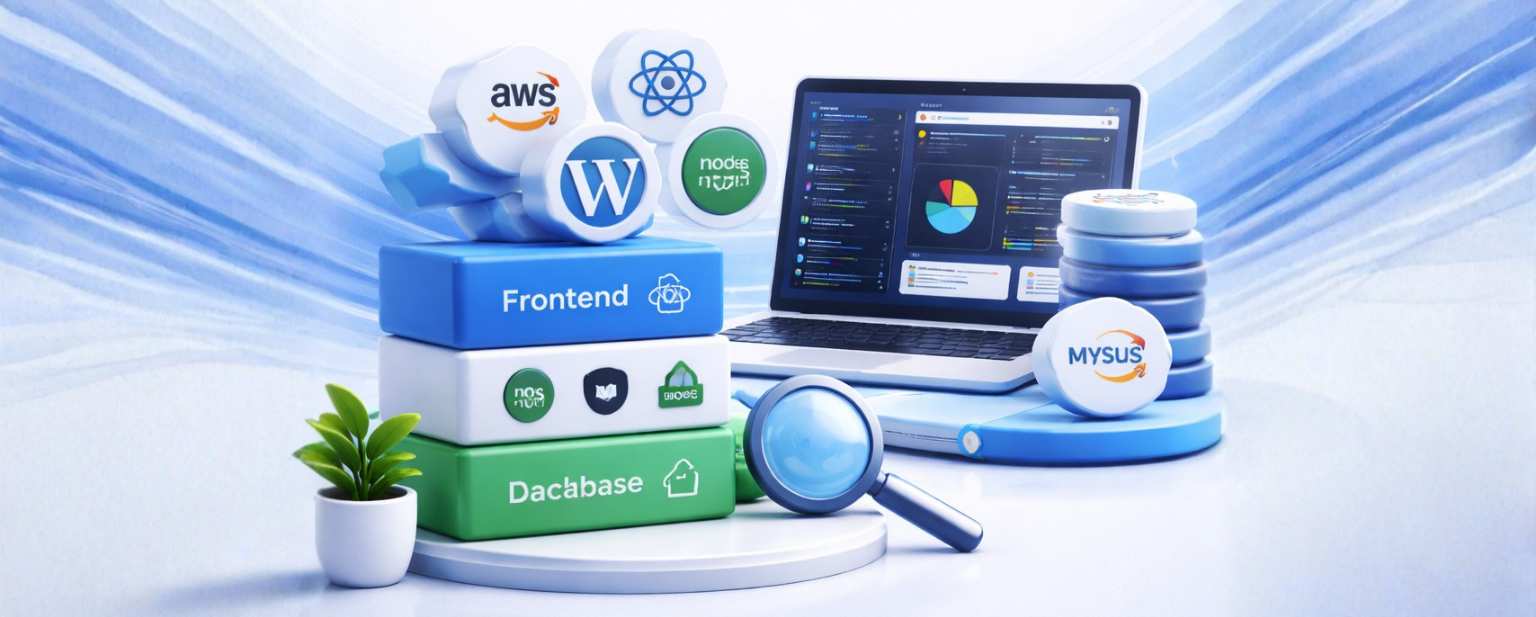
While these WordPress Plugins are powerful, they work best when part of a cohesive strategy. Selecting the wrong combination can lead to “plugin bloat,” which slows down your site and creates security vulnerabilities.
The Role of Professional Services
Many businesses find that they need a mix of technical and strategic help to maximize these tools:
- AI Consulting: To help identify which automated workflows will actually save time and money.
- WordPress Development Services: To ensure that your chosen Plugins are integrated cleanly and don’t conflict with your theme or custom code.
- Software Development Services: To build custom bridges between your WordPress site and other enterprise software, ensuring a unified data flow.
Conclusion: Future-Proofing Your WordPress Site
By the end of 2026, the gap between “basic” websites and “intelligent” platforms will be massive. Utilizing high-quality WordPress Plugins like Rank Math AI, Elementor, and Wordfence ensures that your site remains competitive, secure, and lightning-fast.
However, technology alone isn’t a silver bullet. Pairing these tools with expert AI consulting and professional WordPress development services will give you the edge needed to dominate your niche.
Are you ready to upgrade your digital presence? Start by auditing your current Plugins and see where 2026’s innovations can take you.
How many of these plugins are currently part of your digital strategy?